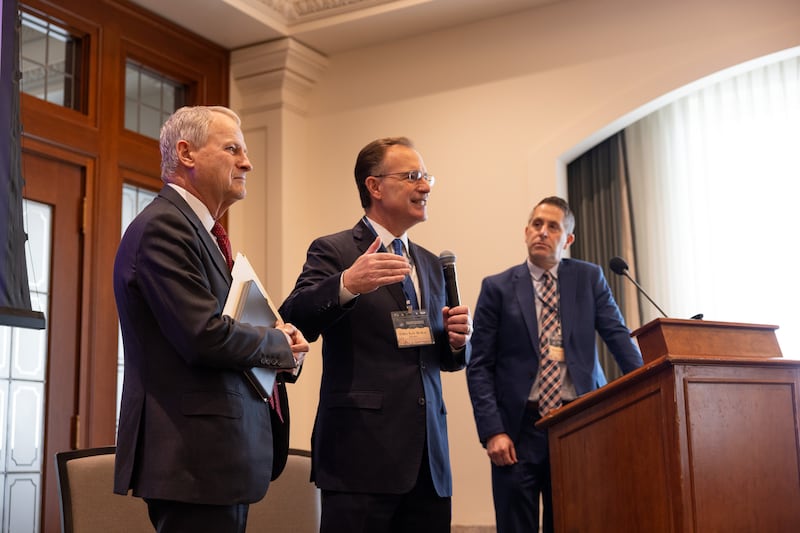

Days after the donation to the Church of a completed project with thousands of historical documents written by Wilford Woodruff, Elder Kyle S. McKay, a General Authority Seventy serving as Church historian and recorder and executive director of the Church History Department, explained why the Church is so interested in histories.
“Through them we might make a connection to history,” he said. “But that’s stopping short of the mark. The mark is Jesus Christ. We have these histories in order to bring us closer to Christ, and we hope that is the aim.”
The Wilford Woodruff Papers Foundation gifted the finished project to The Church of Jesus Christ of Latter-day Saints for long-term preservation and public access through the Church Historian’s Press website, as reported by the Church News on Tuesday, Nov. 10. Woodruff served as the fourth President of the Church between 1889 and his death in 1898. His detailed diaries remain one of the key sources on early Church history.
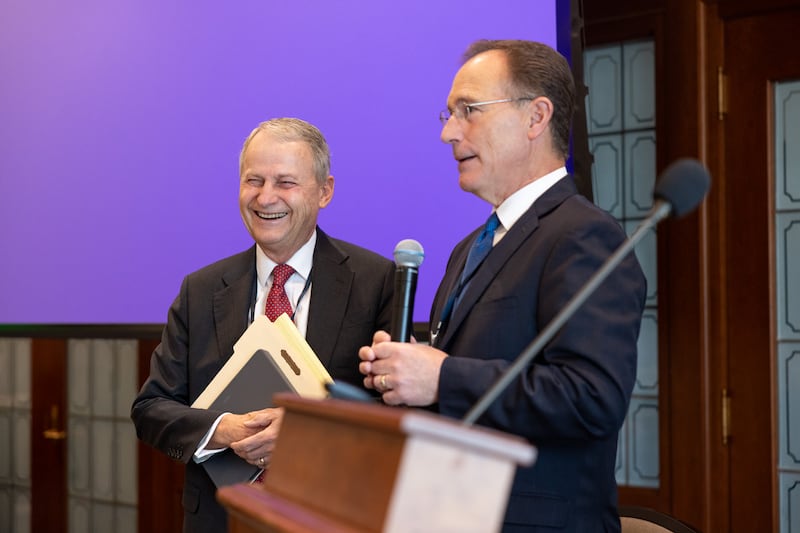
Elder McKay said the Church has a clear purpose in publishing journals and histories from early Church members like Wilford Woodruff; George Q. Cannon, who served as a counselor to four presidents of the Church; and Eliza R. Snow, second Relief Society general president.
“Everything we do, everything we do in this department and in this Church should point us to Jesus Christ,” he said.
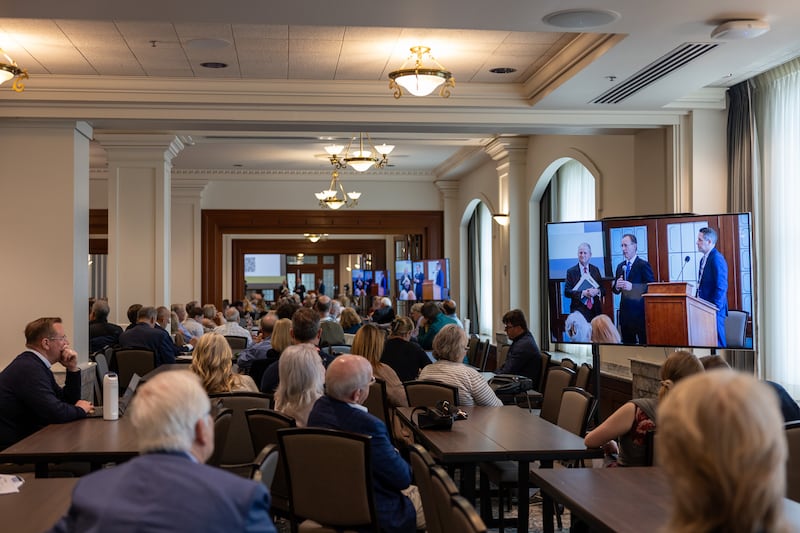
Elder McKay participated in a panel discussion on Friday, Nov. 13, in Salt Lake City, alongside Elder LeGrand R. Curtis Jr., an emeritus General Authority Seventy and former Church historian and recorder and executive director of the Church History Department. Matthew Godfrey, manager of religious publications at Brigham Young University, moderated the panel.
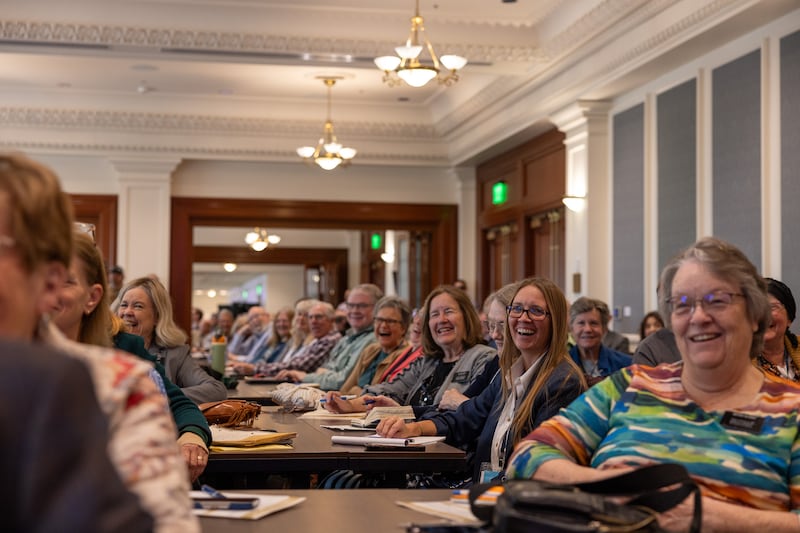
The discussion was part of “A Rich & Holy Legacy,” a conference hosted by the Church and the Wilford Woodruff Papers Foundation, with a focus on the influence of Woodruff’s records and his role in documenting the Restoration.
Elder McKay said one of the jobs of the Church recorder is to “verify the words of the Lord.” He explained that “when we keep a record, we are able to verify the word of the Lord.”
He pointed to examples in the life of Wilford Woodruff that show how the word of the Lord was verified. In one example, Elder McKay pointed to the Lord’s promise given to John Whitmer when he was called as Church historian and recorder in 1831. Doctrine and Covenants 47:4 reads: “Wherefore, it shall be given him, inasmuch as he is faithful, by the Comforter, to write these things.”
Elder McKay said Wilford Woodruff received the blessing promised in this verse.
“This man was faithful,” he said. “And he could remember almost verbatim everything that was said by the prophets until he had written it, and then it went away. That’s section 47 verified.”
Elder Curtis said that as he has studied the life and records kept by Wilford Woodruff he’s been impressed by the late Prophet’s “determination to follow the Lord and to do it in good humor.”
In one example, he shared how President Woodruff suffered during his mission in the southeastern United States but kept a good attitude.
“It is remarkable the good humor that he lived his life as he showed great dedication to the Lord and his cause,” Elder Curtis said.
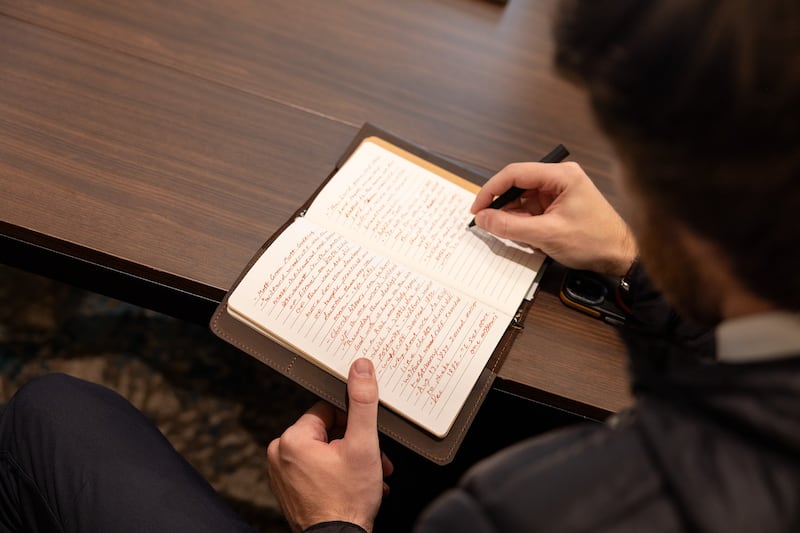
Elder Curtis also said he’s been inspired by the example Wilford Woodruff set of keeping a diary.
“I have found that example of writing things down — and figuring out a way in my schedule to do that — to be a blessing to me and maybe to my posterity and to the Church,” he said. “There’s great value in keeping a record.”
As advice to others to keep their own diaries or records, Elder McKay explained some part of his own process, especially when he misses the opportunity to write something down immediately following a spiritual experience, or “while yet in the Spirit.”
“My practice has become, like Wilford, I pray for the Spirit I felt when I was having that experience so that I can write it down while yet in the Spirit,” he said. “And that’s been exciting. He’s been an inspiration in that for me.”